Source Square Fixed School Bench for Classrooms, Libraries, and Halls
Explore 30 listings for the square fixed school bench, comparing models with metal or wood construction, varying heights, and custom options. Buyers can evaluate specifications like dimensions, materials, and delivery times from verified suppliers to find the right fit for educational facilities.
Key considerations
Products List




Comprehensive Sourcing Guide
Strategic Sourcing Guide for Square Fixed School Benches
Understanding the Product Category and Technical Baseline
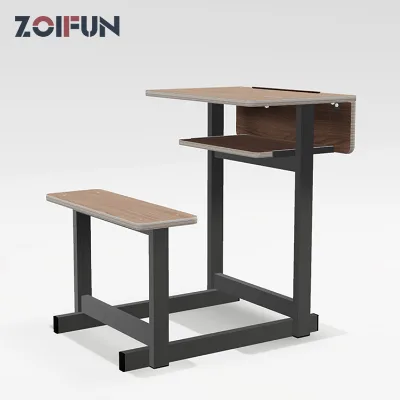
The core keyword "square fixed school bench" defines a specific segment of educational furniture characterized by a rigid, non-movable footprint and a geometrically square design. In the context of global B2B procurement, this product category is distinct from adjustable or modular seating solutions. The defining technical attribute of these units is their "Fixed" nature, meaning the seat and backrest are permanently attached to the base or frame, offering no mechanism for height adjustment or reconfiguration. This design choice is often driven by the need for stability in high-traffic environments, cost efficiency, and the specific spatial requirements of classrooms or lecture halls where a uniform, square layout is preferred.
Material composition is a primary differentiator within this category. Market observations indicate that these benches are frequently constructed from metal, providing a robust structural skeleton capable of withstanding heavy daily use. However, specific product listings also highlight the use of wood, particularly in the form of MDF (Medium Density Fiberboard) for the seating or backrest surfaces. The combination of a metal frame with wood components is common, offering a balance between industrial durability and aesthetic warmth. The "Square" designation refers to the footprint of the unit, which typically implies a compact, four-sided geometry that maximizes floor space efficiency. Unlike elongated bench designs, square units often serve as individual seats or compact two-person units that can be arranged in grid patterns.
The "Fixed" attribute also implies a "Undisassembly" or "Knock Down" (KD) manufacturing approach. While the product is sold as a fixed unit, the logistics of international shipping often necessitate a "Knock Down" packing method. This allows the bench to be disassembled for transport and reassembled at the destination, reducing volumetric weight and minimizing damage during transit. The observed packing standard for these units is often described as "KD Package" or "CKD Package" (Completely Knocked Down), ensuring that the structural integrity is maintained while optimizing the cubic meter (CBM) for shipping. For instance, specific models have been observed with a CBM of 0.14 per set, a critical figure for freight cost calculations.
Compliance, Certification, and Safety Standards
When sourcing educational furniture, compliance with international safety and quality standards is non-negotiable. Buyers must verify that the manufacturer adheres to recognized quality management systems. The supply chain data indicates that reputable suppliers often operate under ISO 9001 and ISO 14001 certifications. ISO 9001 ensures that the manufacturing process maintains consistent quality control, while ISO 14001 addresses environmental management, which is increasingly important for institutions with sustainability goals. Additionally, some product listings reference "EWC" standards, which buyers should investigate to ensure they align with the specific regulatory requirements of the destination country.
Safety certifications are equally critical. The product must be free from hazardous materials, and the structural integrity must be tested to prevent tipping or collapse. While specific test results are not universally provided in general listings, buyers should demand third-party test reports for load-bearing capacity and stability. The "New" condition of the products implies that they are manufactured to current safety specifications, but this must be verified against local building codes and fire safety regulations. For example, the materials used, such as MDF or metal, must meet flammability standards required in the target market.
The origin of the product is another compliance factor. The majority of these benches are manufactured in China, with loading ports typically located in Shenzhen or Guangzhou. This geographic concentration offers a robust supply chain but requires buyers to be vigilant about import regulations, tariffs, and the specific labeling requirements of their region. The "Hongji" brand is noted in some contexts, but buyers should not rely on a single brand name; instead, they should evaluate the specific factory's certification documents. The warranty period, often cited as 5 years, serves as a proxy for the manufacturer's confidence in their product's durability and compliance with long-term usage standards.
Cost Drivers and Pricing Dynamics
The pricing of square fixed school benches is influenced by a complex interplay of material costs, labor, and logistics. The observed price range for these units spans from $10 to $280 USD, a wide variance that reflects differences in material quality, design complexity, and order volume. The lower end of the spectrum likely corresponds to basic metal-framed units with simple wood or plastic seating, while the higher end may include premium finishes, ergonomic designs, or specialized coatings.
Material selection is the most significant cost driver. Metal frames, particularly those made from steel or aluminum alloys, generally command a higher price than basic wood-only constructions due to the cost of raw materials and the energy-intensive manufacturing process. However, the use of MDF boards can also increase costs if high-density, formaldehyde-free boards are specified. The "Footrest" component, when present, is often made of aluminum alloy, adding to the material cost but enhancing the ergonomic value of the bench.
Order volume plays a pivotal role in the final unit price. The Minimum Order Quantity (MOQ) varies significantly across suppliers, ranging from 10 pieces to 500 sets. A supplier with an MOQ of 10 pieces may charge a premium per unit due to the overhead of handling small batches, whereas a supplier requiring 100 sets or more can offer more competitive pricing. The "Supply Ability" of a manufacturer, observed at 8000 pieces per month, indicates that large-scale orders can be fulfilled without significant delays, potentially stabilizing the price.
Logistics costs are another hidden driver. The "Knock Down" (KD) packing method reduces the CBM, which directly lowers freight charges. However, the cost of assembly labor at the destination must be factored into the total cost of ownership. If the bench requires complex reassembly, the labor costs may offset the savings gained from reduced shipping volume. Payment terms, such as T/T (Telegraphic Transfer) or EXW (Ex Works), also affect the financial structure of the deal. Buyers should be aware that "Crash" payment methods mentioned in some contexts may refer to specific, less common financial instruments and should be clarified before commitment.
Typical Applications and Spatial Configuration
Square fixed school benches are primarily designed for educational environments where space efficiency and uniformity are paramount. Their fixed nature makes them ideal for lecture halls, large classrooms, and examination centers where students need to remain seated for extended periods without the distraction of moving parts. The square shape allows for tight packing, maximizing the number of seats per square meter. This is particularly beneficial in schools with limited floor space or in temporary learning facilities where rapid deployment is required.
The "Modern" style and "Brown" color options observed in the market suggest that these benches are designed to blend with contemporary educational aesthetics. The lack of armrests in many models further enhances space efficiency, allowing for closer row spacing. However, for specific applications such as libraries or study areas, models with armrests may be preferred to provide a sense of personal space and comfort. The "Ergonomics" design attribute found in some listings indicates that manufacturers are increasingly focusing on user comfort, even in fixed units, by adjusting the angle of the seat and backrest to support proper posture.
The "Double" size specification mentioned in the data suggests that these benches can be configured for two students, making them suitable for pair work or collaborative learning. The "Panel" wood style allows for customization in terms of surface finish, enabling schools to match the bench color to their existing interior design. The "Board Color" being "as Requested" highlights the flexibility available to buyers, allowing for branding or color-coding of different grade levels or departments.
Supplier Evaluation and Manufacturing Capabilities
Evaluating a supplier for square fixed school benches requires a deep dive into their production capabilities and quality assurance processes. Buyers should look for manufacturers with a proven track record in the "Desk" and "Bench" categories, as indicated by the product classification. The "Hongji" brand is one example, but the focus should be on the factory's ability to meet specific technical requirements rather than brand recognition alone.
Key evaluation criteria include the supplier's "Supply Ability," which should align with the buyer's projected demand. A capacity of 8000 pieces per month is a strong indicator of a robust manufacturing line capable of handling large orders. The "Production Time" of 15-18 days is a standard benchmark, but buyers must verify if this timeline includes the time for customizations or if it is based on standard models. The "Delivery Time" of 15 to 20 days after receiving a 30% deposit is a common term, but buyers should ensure that this timeline is realistic given the current global logistics situation.
The "Loading Port" is another critical factor. Suppliers based in Shenzhen or Guangzhou offer access to major shipping hubs, which can streamline the export process. However, buyers should also consider the proximity of the factory to the port to minimize inland transportation costs. The "Way of Packing" being "Knock Down" is a standard practice, but the quality of the packaging materials must be verified to ensure the product arrives in "New" condition.
Quality control should be a priority. Buyers should request samples to verify the "Condition" of the product and inspect the "Disassembly" mechanism if the unit is designed for KD packing. The "Warranty" of 5 years is a significant selling point, but buyers must understand the terms and conditions of this warranty, including what is covered and the process for claiming repairs or replacements.
Quality Control and Long-Term Procurement Considerations
Ensuring the long-term viability of the procurement requires a rigorous quality control (QC) strategy. The "New" condition of the product is a baseline, but buyers must verify that the materials used are durable and resistant to wear and tear. The "Metal" frame should be inspected for rust resistance, especially if the benches will be used in humid environments. The "Wood" components, particularly MDF, should be checked for formaldehyde emissions and surface durability.
The "Fixed" nature of the bench means that any structural failure will be more impactful than in adjustable units. Therefore, load-bearing tests are essential. Buyers should request test reports that demonstrate the bench can support the intended weight without deformation. The "Ergonomics" design should also be validated through user feedback or third-party testing to ensure that the fixed position does not cause discomfort over long periods.
Long-term procurement considerations include the availability of spare parts and the ease of maintenance. Although the "Undisassembly" attribute suggests a permanent structure, the "Knock Down" packing implies that the unit can be taken apart for transport. Buyers should ensure that the manufacturer provides a clear assembly guide and that the fasteners used are of high quality to prevent loosening over time. The "5 Years" warranty is a strong indicator of the manufacturer's confidence, but buyers should also consider the total cost of ownership, including potential repair costs and the lifespan of the product.
The "Square" shape and "Modern" style may become outdated if design trends shift. However, the neutral "Brown" color and the versatility of the "Panel" wood style offer a degree of timelessness. Buyers should consider the scalability of the order; if the school expands, can the supplier provide additional units that match the original batch? The "Customized" attribute allows for some flexibility, but buyers should confirm that custom orders do not significantly extend the lead time or increase the cost disproportionately.
Final Procurement Recommendations
Sourcing square fixed school benches requires a balanced approach that considers technical specifications, compliance, cost, and supplier reliability. Buyers should prioritize manufacturers with ISO certifications and a proven supply chain capacity. The wide price range necessitates a clear definition of requirements to avoid overpaying for unnecessary features or under-specifying for critical needs. The "Knock Down" packing method is a standard that should be leveraged to reduce logistics costs, but the quality of the packaging must be verified.
When evaluating suppliers, focus on their production time, delivery terms, and warranty conditions. The 15-20 day delivery window after deposit is a standard benchmark, but buyers should negotiate based on their specific timeline needs. The "5 Years" warranty is a significant advantage, but the terms must be clearly understood. Finally, buyers should ensure that the product meets all local safety and environmental standards before finalizing the order. By adhering to these guidelines, buyers can secure high-quality, durable, and cost-effective square fixed school benches that meet the needs of their educational institutions.
FAQs
What is the typical lead time for delivery?
Delivery occurs within 15 to 20 days after receiving a 30% deposit. This timeline applies to standard orders and assumes prompt payment confirmation before production begins.
Can the bench height be adjusted?
Most models are fixed and unadjustable, though some variants offer adjustable height features. Buyers should verify specific model attributes like TC992 for adjustable options versus TCC13A+Z13 for fixed designs.
What materials are used for construction?
Frames are typically constructed from metal, while seating surfaces often use wood or MDF boards. Aluminum alloy footrests are also available in specific ergonomic designs to enhance durability.
Which certifications do the products hold?
Products commonly meet ISO 9001 and ISO 14001 standards for quality and environmental management. Some listings also reference EWC standards, requiring verification against specific destination regulations.
How are the benches packed for shipping?
Units are shipped in Knock Down or CKD packages to optimize freight volume. This method reduces the cubic meter per set to approximately 0.14, ensuring safe transport and easier assembly.
What is the minimum order quantity required?
Minimum order quantities vary between 10 pieces and 100 sets depending on the supplier and model. Specific listings indicate an MOQ of 100 sets for certain desk categories and 10 pieces for others.